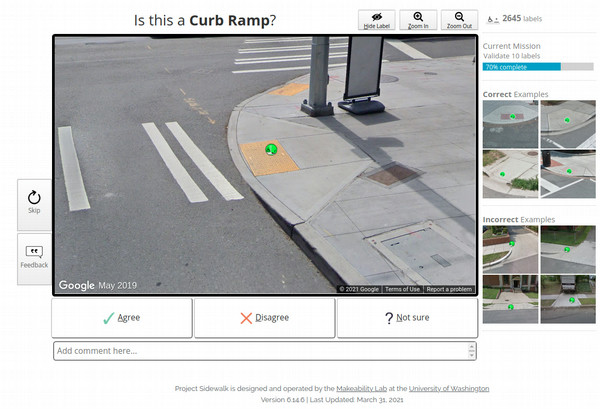
<< Return to 12 Months of Citizen Science Programming February: Improve the Path with Project Sidewalk Activity Type Computer-based mapping activity Topic Accessibility, community planning, pedestrian infrastructure Audience Teens, Adults, Families, Intergenerational groups Location Indoors Materials Each participant needs an internet-connected tablet or computer Low Tech Options Encourage participants to bring their own devices. This […]
Read More
<< Return to 12 Months of Citizen Science Programming April: Acts of Science: Connected Activity Type Live, interactive citizen science event Topic Citizen Science Month, live participation, community science Audience Teens, Adults, Families, Intergenerational groups Location Indoors or online Materials Large screen or projector, speakers, stable internet connection, Zoom-capable computer, and internet-connected computers, tablets, or […]
Read More
<< Return to 12 Months of Citizen Science Programming May: Take a Mindful Moment with the Night Sky Activity Type Outdoor nighttime observation activity Topic Astronomy, light pollution, night sky Audience Teens, Adults, Families, Intergenerational groups Location Outdoors, at night Materials Internet-connected smartphone or tablet, optional red flashlight, and a clear view of the night […]
Read More
<< Return to 12 Months of Citizen Science Programming June: Celebrate National Pollinators Week Activity Type Outdoor pollinator observation activity Topic Pollinators, insects, biodiversity, plants Audience Children, Teens, Adults, Families, Intergenerational groups Location Outdoors Materials Internet-connected smartphone or tablet, flowering plants, timer, optional printed data sheets, pencils, and pollinator identification resources Low Tech Options Participants […]
Read More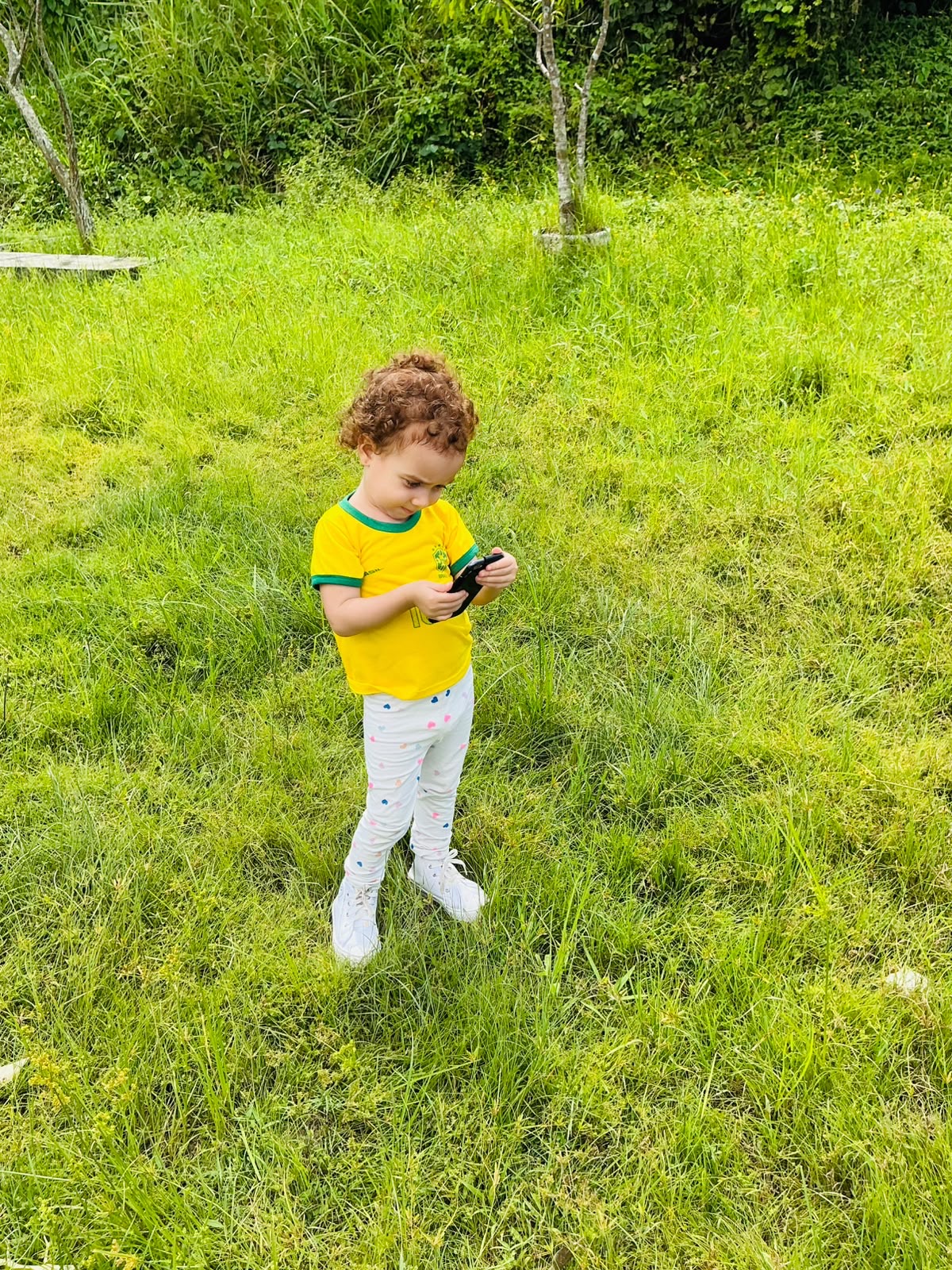
Exploring the world and contributing to global science does not require a professional laboratory or an advanced degree—sometimes, all you need is a backyard, a smartphone and a curious family. Editor’s note: This guest post was contributed by Bárbara Alencar Rolim, co-founder of Independent Family Scientists (CFI) in Igarassu, Pernambuco, Brazil. It describes her family’s […]
Read More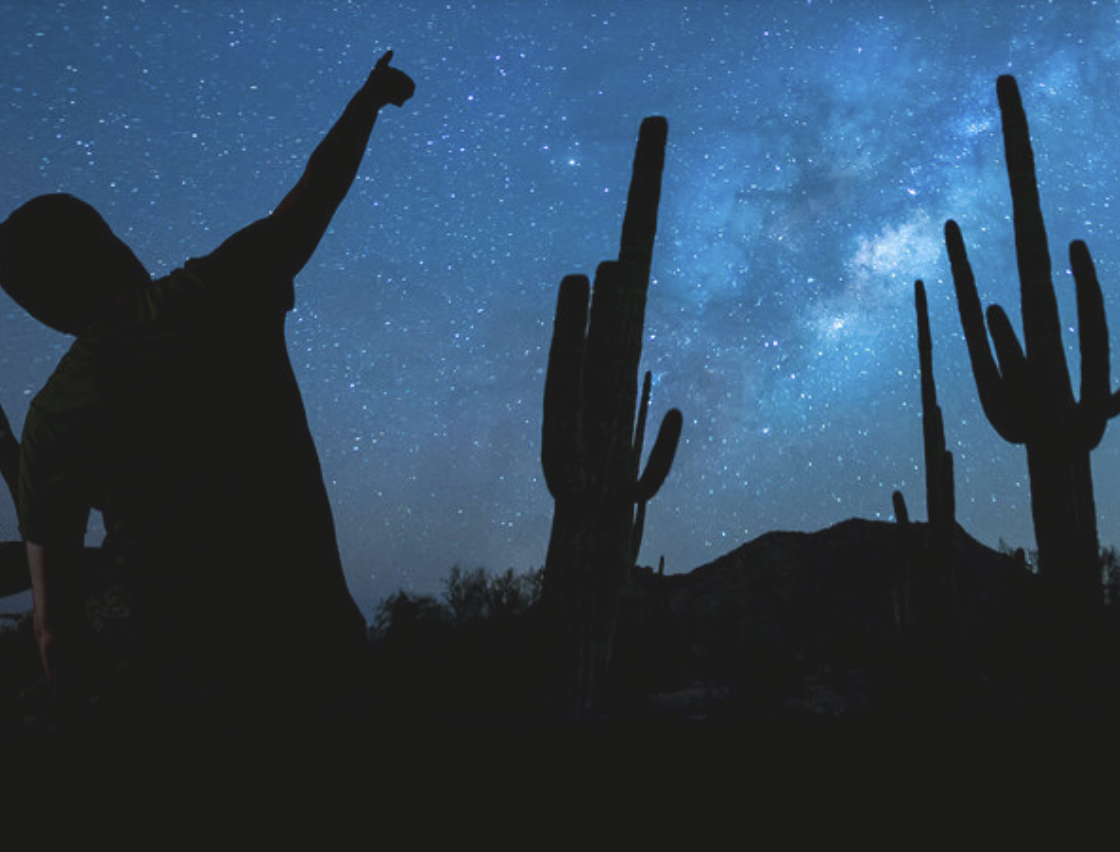
<< Return to 12 Months of Citizen Science Programming January: Do NASA Science LIVE! Activity Type Explore and classify data for NASA Topic NASA, space research, planetary science, Earth science Audience Teens, Adults, Families, Intergenerational groups Location Indoors, possibly in a computer lab Materials Each participant needs an internet-connected tablet or computer Low Tech Options […]
Read More
Host a live NASA citizen science event at your library and connect patrons with real NASA research. SciStarter provides everything you need, including facilitator training, printable materials, and an easy-to-follow event toolkit.
Read More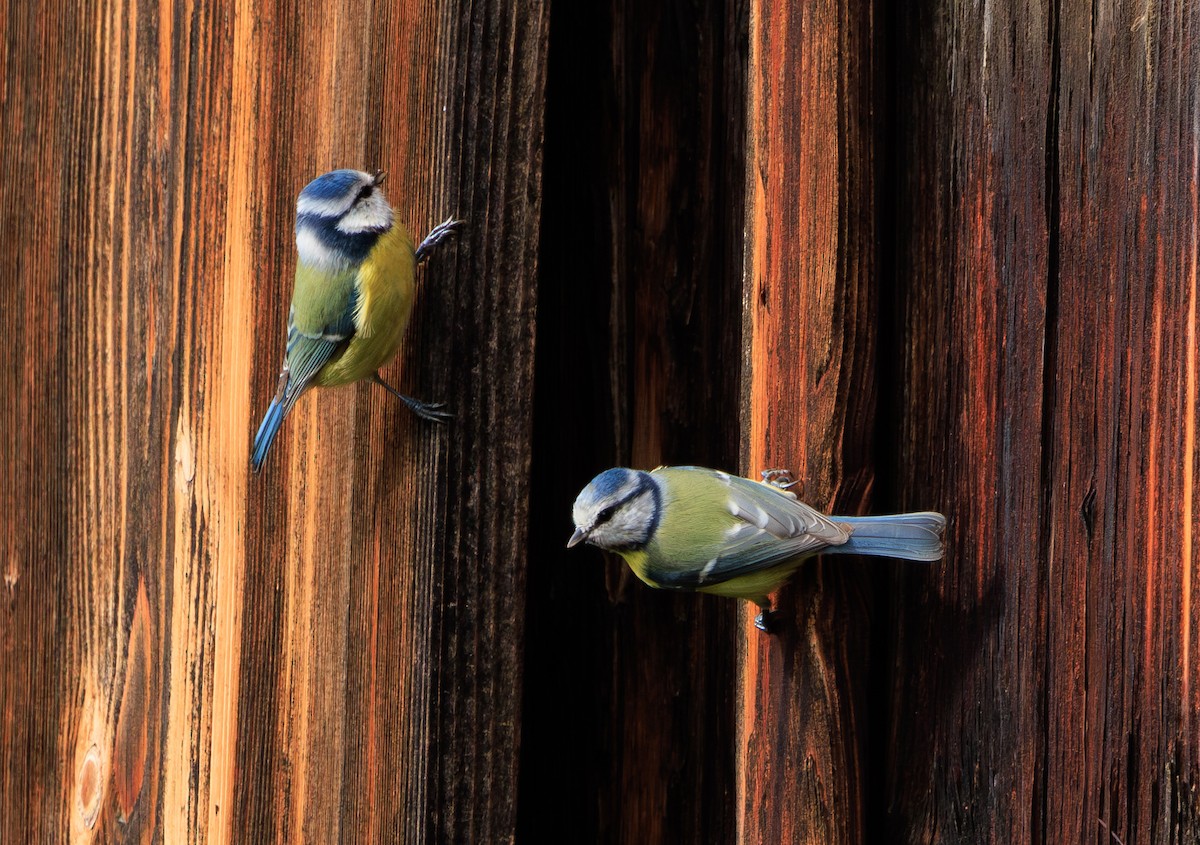
<< Return to 12 Months of Citizen Science Programming October: Fall into Birding with eBird and Merlin Bird ID Activity Type Nature exploration Topic Birds, nature Audience Youth, Teens, Adults, Families, Intergenerational groups Location Outdoors Materials Each participant needs a smart phone or tablet with two apps downloaded (eBird and Merlin Bird ID) Low Tech […]
Read More
This Disability Pride Month, explore citizen science projects that demonstrate how accessibility and inclusion strengthen scientific research. Learn how volunteers and project leaders are creating opportunities for more people to contribute to science.
Read More
Explore SciStarter’s collection of thematic calendars featuring year-round citizen science opportunities. Each calendar is available as a clickable PDF. Perfect for printing, sharing, or incorporating into your own newsletters, websites, and social media.
Read MoreWhat is SciStarter?
SciStarter is the place to find, join, and contribute to science through more than 3,000 formal and informal research projects, events and tools. Our community of citizen science projects enables discovery, organization, and greater participation in science. This is also the place to track your contributions, bookmark things you like, and network with others. Join SciStarter to get started.
Connect with us
You can also signup for our newsletter.
Categories
- AAPS
- About Us
- Accessibility
- Affiliate Tools
- Alzheimers
- Ambassadors
- America 250
- Amphibians
- Analyzing and interpreting data
- Animals
- API
- Apps
- Archeology
- Artificial Intelligence
- Asking questions (for science) and defining problems (for engineering)
- Astronomy & Space
- Astronomy Magazine
- ASU Citizen Science Maker Summit
- Bats
- Biology
- Birds
- book
- Book Review
- Calendar
- Chemistry
- Citizen Science
- Citizen Science Conference
- Citizen Science Day
- Citizen Science Month
- Citizen Science News
- CitSci Research
- CitSciAfrica
- Climate & Weather
- Computers & Technology
- Constructing explanations (for science) and designing solutions (for engineering)
- Contest
- CSA 2017
- Developing and using models
- Do NASA Science LIVE!
- Do-It-Yourself
- EarthSchool
- Ecology & Environment
- Education
- Engaging in argument from evidence
- Environment
- EPA NACEPT
- Events
- Featured Projects
- Field Guide to Citizen Science
- Flyways
- Gaming
- Geology & Earth Sciences
- Girl Scouts
- Global Citizen Science Month
- Guest Contributor
- hackfest
- Health
- In the News
- Insects
- libraries
- Library
- mammals
- Museum
- NASA
- National Citizen Science Day
- Nature & Outdoors
- Newsletter
- NNLM
- Obtaining, evaluating, and communicating information
- Ocean & Water
- Other
- Physics
- Planning and carrying out investigations
- podcast
- Press Release
- Program Ideas
- Project Leaders
- Project Profile
- Science Cheerleaders
- Science Education Standards
- Science Policy
- Science Practices
- SciFests
- SciStarter News
- Staff Spotlight
- This Day in Science History
- Tools
- Uncategorized
- University
- USA Science and Engineering Festival
- Use of Citizen Science data
- Using mathematics and computational thinking
- Verizon
- videos
- Volunteer at SciStarter
- webinar
- Webinar
- Workshop Affiliate Tools
- Workshops